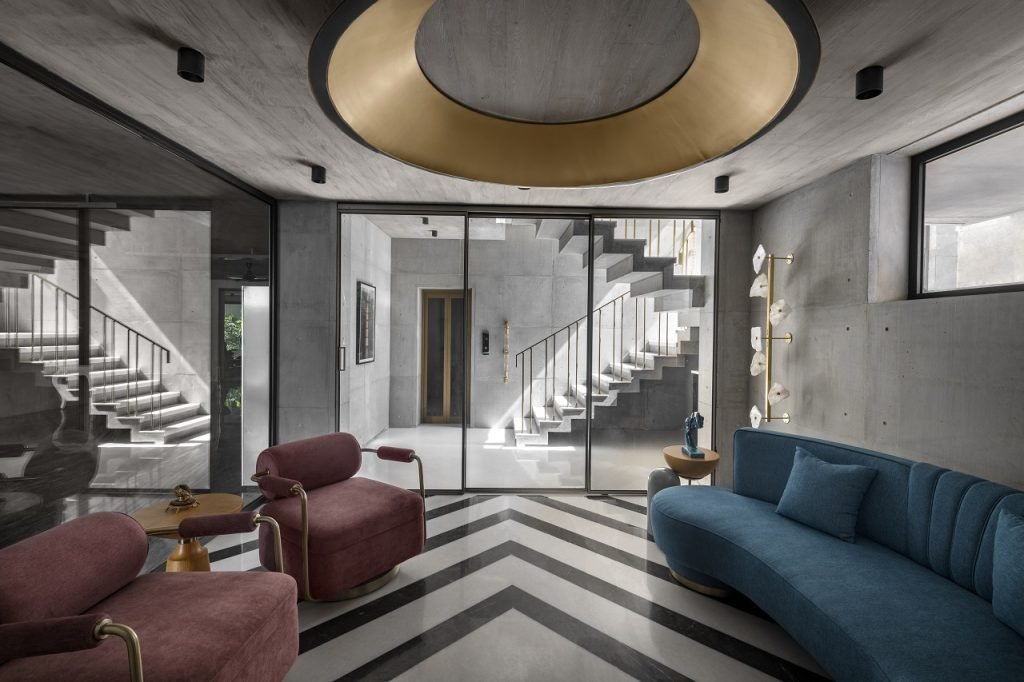
First Impressions: The Lobby as a Living Room
Walk into an online casino lobby and you should feel like you’ve entered a lively but familiar space: curated tiles, a hero banner, and a scrollable stream of games that promise quick discovery. Designers aim to blend the excitement of neon and motion with the calm of clear organization, so whether you land on a mobile browser or a desktop client you can quickly take in what’s available without being overwhelmed.
Part of that first impression is shaped by navigation aids like categories, thumbnails, and a smart search bar; these elements turn a sprawling catalog into something approachable. For context on how wildly different lobbies can be, some users reference comparison sites or demos, including casual mentions of brands such as fake stake casino when discussing layout preferences—purely as a visual point of reference rather than an endorsement.
Search and Filters: Speed vs. Serendipity
Search is the shortcut for someone who knows what they want, and filters are the friendly guide for the undecided. A responsive search bar that tolerates typos and suggests titles keeps repeat players happy, while layered filters (provider, volatility, theme, features) help surface niche content. The best systems strike a balance: they’re fast for those who value efficiency, yet deep enough to support accidental discoveries.
That balance matters because a lobby that prioritizes speed can become a conveyor belt of the same popular titles, whereas one that favors exploration nudges players toward variety. Designers are increasingly experimenting with hybrid approaches—presenting trending tiles up top while keeping personalized and curated feeds visible below to encourage both immediate play and gentle wandering.
Favorites, Playlists and Personal Curation
Favorites and playlists are the personalization tools that make a lobby feel like it remembers you. Tapping a heart or adding a game to “My List” turns the ephemeral into the familiar: the next visit presents a home screen that reflects past choices, not just algorithmic pushes. For many users, this small act of curation enhances the sense of ownership and reduces the friction of finding preferred content among hundreds of options.
Beyond an individual favorites list, some lobbies offer social features—shared playlists, friend activity, or chef’s-choice collections curated by the platform’s editors. These touches can spark curiosity without requiring a heavy commitment: you’re invited to sample a theme or provider you might otherwise skip, simply because someone you trust gave it a nod.
Pros and Cons: A Balanced Look at Modern Lobbies
No single lobby design is perfect for every player; trade-offs are inevitable. Below are common advantages users praise as well as downsides they sometimes encounter. Think of this as a friendly checklist to consider while exploring different platforms: what delights you, and what might you wish were different?
- Pros: Clear organization that reduces time-to-play; personalized favorites and playlists that make repeat visits effortless; search and filters that support both fast access and serendipitous discovery; visual cues and provider tags that help with quick decisions.
- Cons: Over-emphasis on trending titles can crowd out variety; heavy animation or clutter can slow navigation on older devices; personalization that’s too aggressive can limit exposure to new experiences; inconsistent labeling across providers may create minor confusion.
Overall, the lobby’s role is to be both concierge and curator—helpful without being heavy-handed. When designers succeed, the experience feels intuitive and inviting: you find what you want quickly, stumble upon pleasant surprises, and leave with the impression you’ll return easily. When they miss the mark, it’s usually through clutter or too-narrow personalization rather than any single fatal flaw.
For players and observers alike, the evolution of lobbies, search systems, and favorite lists reflects a broader trend toward more human-centered interfaces—ones that respect time, encourage exploration, and quietly learn preferences without shouting at the user. That subtlety is what makes the modern digital lobby less like a showroom and more like a welcoming living room tailored to how you like to spend your time.