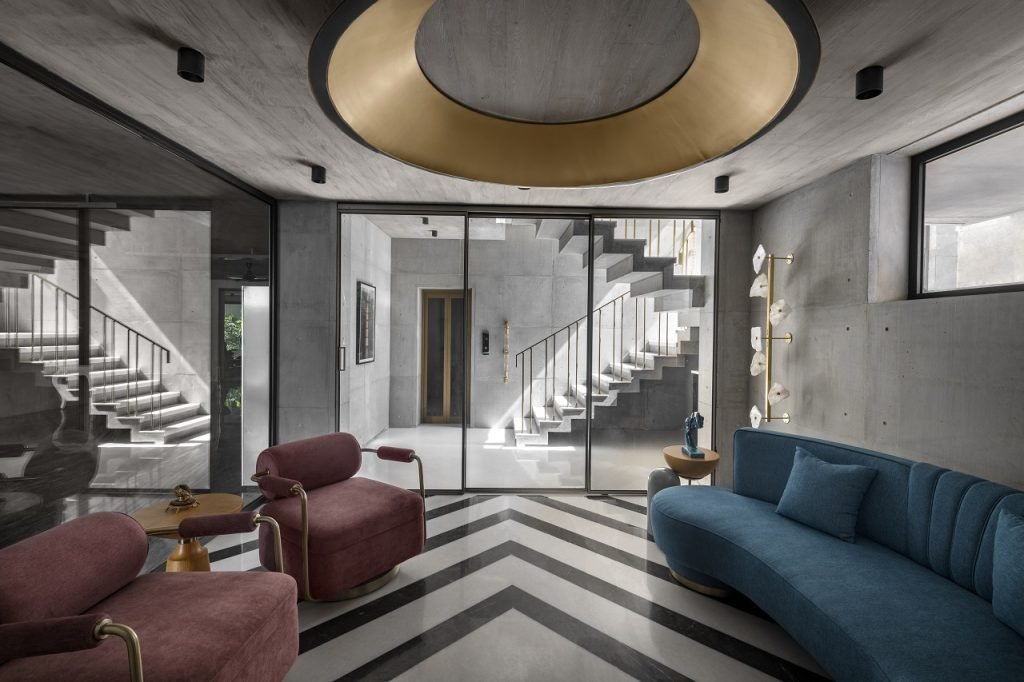
Ambience & Visual Language
Q: What creates the first impression when you land on a casino site? A: The visual language — color, contrast, and spatial rhythm — sets the tone before any interaction begins. Subtle gradients, layered shadows, and purposefully placed highlights create a sense of depth and invitation, much like a well-lit lounge that hints at discovery rather than shouting for attention.
Q: Can design suggest a mood without words? A: Yes. A palette of deep navy and gold evokes classic sophistication, while neon hues and glassy textures suggest late-night energy. Design examples from industry sites, including analyses of places like Bitstarz Casino, show how a consistent visual vocabulary guides expectations about pace and personality.
- Color palette and contrast
- Iconography and visual metaphors
- Negative space and layout rhythm
- Ambient imagery and backdrop treatment
Audio, Motion & Microinteractions
Q: How do sound and motion shape the experience? A: Sound and motion are the subtle conductors of atmosphere. Brief chimes, soft background pads, and micro-animations can make interactions feel tactile and rewarding without overwhelming the senses. Motion should be purposeful: easing transitions, reinforcing hierarchy, and keeping the interface feeling alive.
Q: What are microinteractions meant to do? A: Microinteractions give feedback, acknowledge choices, and add personality. They can be as simple as a card that gently lifts on hover or a shimmer that suggests rarity. These small movements, coordinated with light audio cues, create a layered sensory story that keeps a user engaged in the moment.
Layout, Navigation & Flow
Q: How does layout affect atmosphere? A: Layout controls attention and the perceived rhythm of a site. Generous margins and clear sections breathe calm into busy content, while dense grids can create a sense of excitement and urgency. Thoughtful grouping and visual anchors let users scan quickly and appreciate crafted visuals without cognitive strain.
Q: Should navigation be flashy or discreet? A: It depends on the tone. A discreet, fixed navigation supports a contemplative, upscale mood; bold, animated menus suit a dynamic, energetic environment. Either choice should feel coherent with the visual language — the same design rules that define typography and color should guide navigation style.
- Clear hierarchy keeps focus where designers intend.
- Responsive arrangements adapt the mood across devices.
- Consistency in controls supports rapid, comfortable scanning.
Color, Typography & Brand Voice
Q: Why do typography choices matter so much? A: Type is the voice of the site. A condensed, high-contrast headline type can feel assertive and modern; a rounded, humanist face reads as friendly and approachable. Pairing headline and body type with deliberate spacing creates a rhythm that feels either luxurious or playful, matching the intended atmosphere.
Q: How does color work beyond aesthetics? A: Color carries emotional weight. Warm tones can create intimacy, cool tones can feel composed, and accent colors draw attention to moments meant to delight. When color is applied thoughtfully across buttons, badges, and backgrounds, it becomes a visual grammar that signals meaning without words.
Design Details That Stick
Q: What small details make an experience memorable? A: Curated transitions, bespoke icons, and ambient backdrops — these are the signatures that linger. When an interface respects small moments, users notice the cohesion: a loading animation that feels like part of the visual story, or a subtle texture that prevents surfaces from appearing flat.
Q: How should atmosphere influence content presentation? A: Atmosphere and content should be in dialogue. Imagery, copy tone, and timing of reveals should match the visual and audio language. When everything aligns, the site reads as a single environment rather than a collection of parts, and the experience feels intentionally authored.